

JFrog Security Real Time Posts
Last Updated On 15 Oct, 2026

Only a month after we exposed the IronWorm infostealer, an evolved variant has surfaced in compromised versions of the popular jscrambler npm package. The malware has shed its Linux-only skin, deploying a three-platform CSI container to target macOS and Windows, expanding its persistence, and automating its own propagation via direct registry PUT operations.
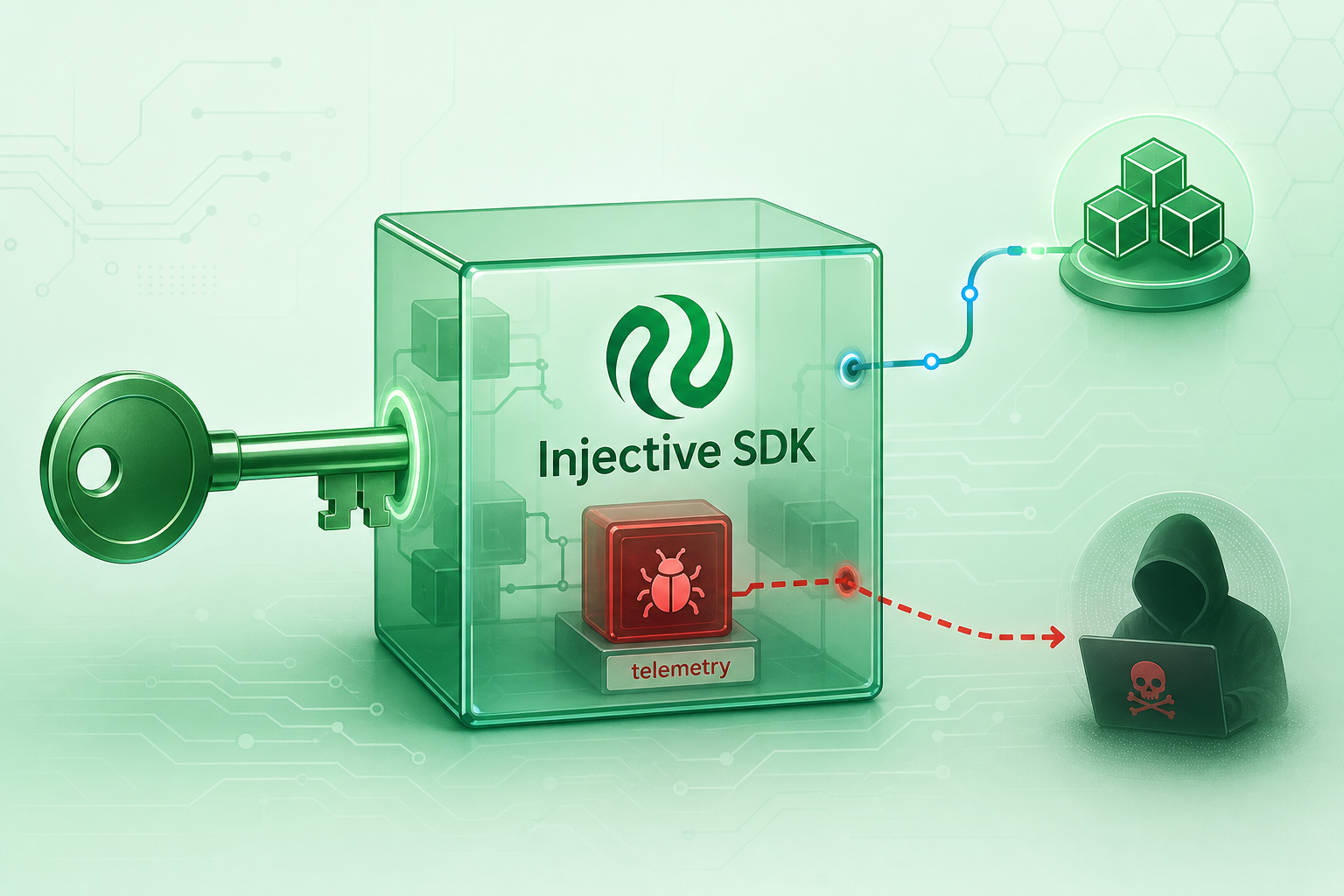
Attackers compromised the official Injective TypeScript SDK release line and shipped a runtime wallet-key stealer disguised as key-derivation telemetry.

JFrog Security Research identified malicious npm packages masquerading as Rollup polyfill tooling and leading to a multi-stage JavaScript payload.

JFrog Security Research identified a new Shai-Hulud/Hades npm wave affecting 20 packages in the Leo/RStreams ecosystem.

DirtyClone (CVE-2026-43503) is a CVSS 8.8 Linux kernel LPE discovered independently by JFrog Security Research and Hyunwoo Kim. Patch to Linux v7.1-rc5 or apply the full 4-CVE fix chain.

JFrog Security Research identified two hijacked npm packages, `html-to-gutenberg` and `fetch-pacage-assets`, that used a hidden VS Code task to launch a multi-stage malware chain. The payloads used blockchain transaction data as dead drops, installed JavaScript and Python runtime components, and deployed a backdoor and infostealer targeting credentials, browsers, wallets, developer tools, and environment secrets.
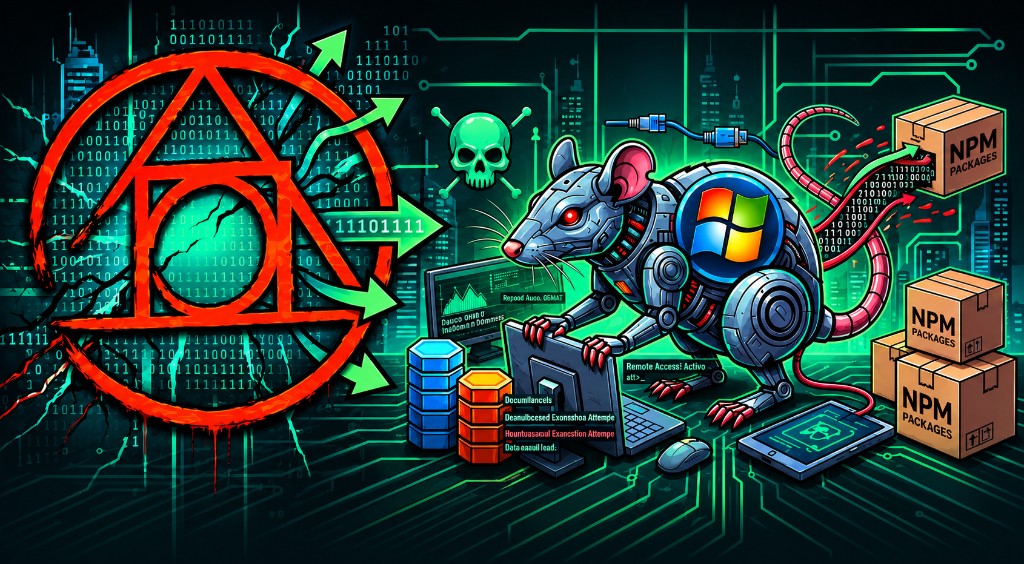
JFrog Security Research analyzed a suspicious npm package named postcss-minify-selector-parser. The package impersonates the popular PostCSS selector-parser ecosystem and hides a multi-stage payload that downloads a Windows Python/Nuitka RAT.
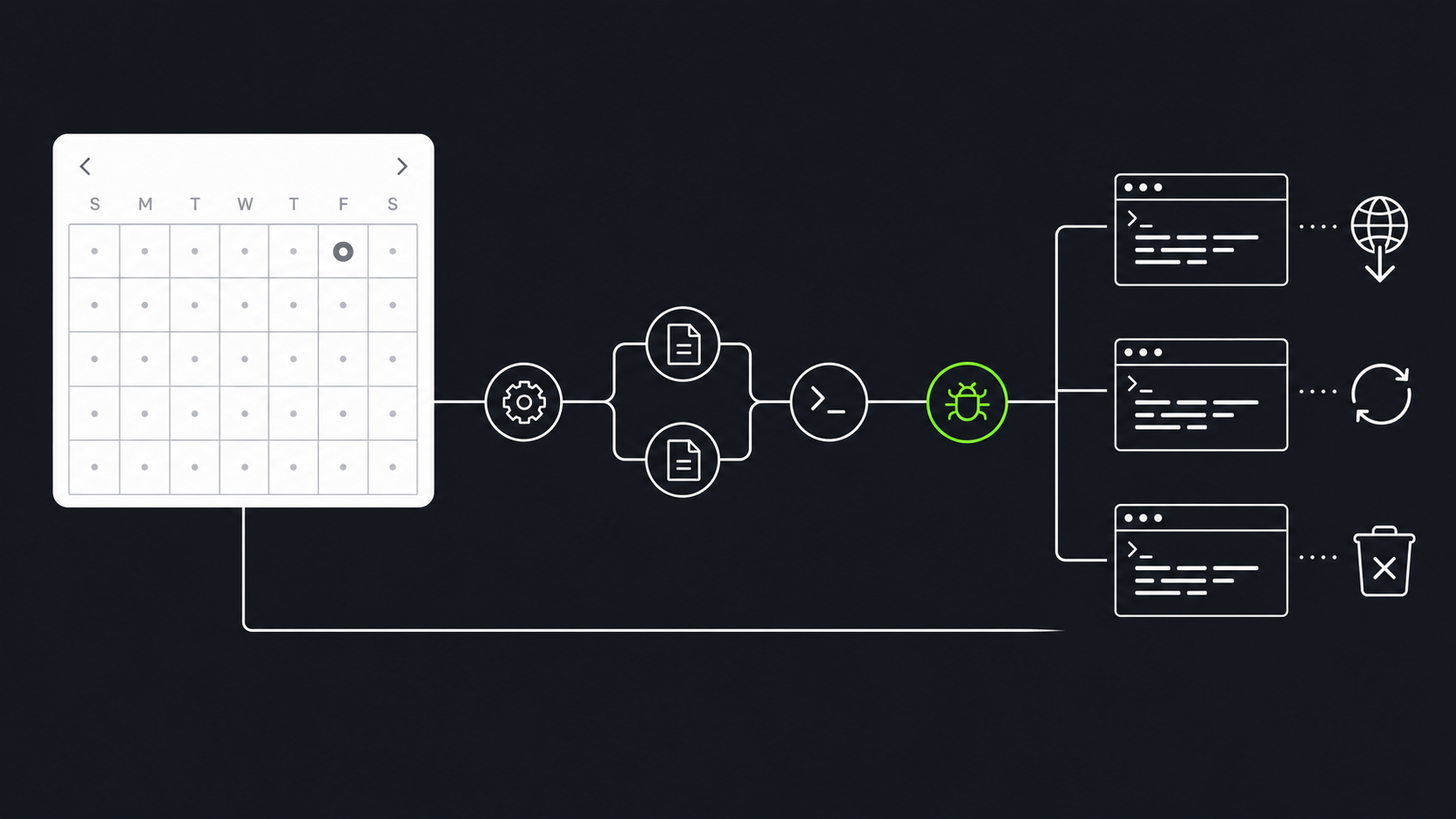
A supply chain campaign targeting Mastra npm packages added the malicious `easy-day-js` dependency, causing installs to execute a staged Node.js backdoor with persistence, reconnaissance, C2 polling, and remote code execution.

The JFrog Security Research team discovered a very interesting sample of Shai Hulud bypassing most of AI-fueled scanners
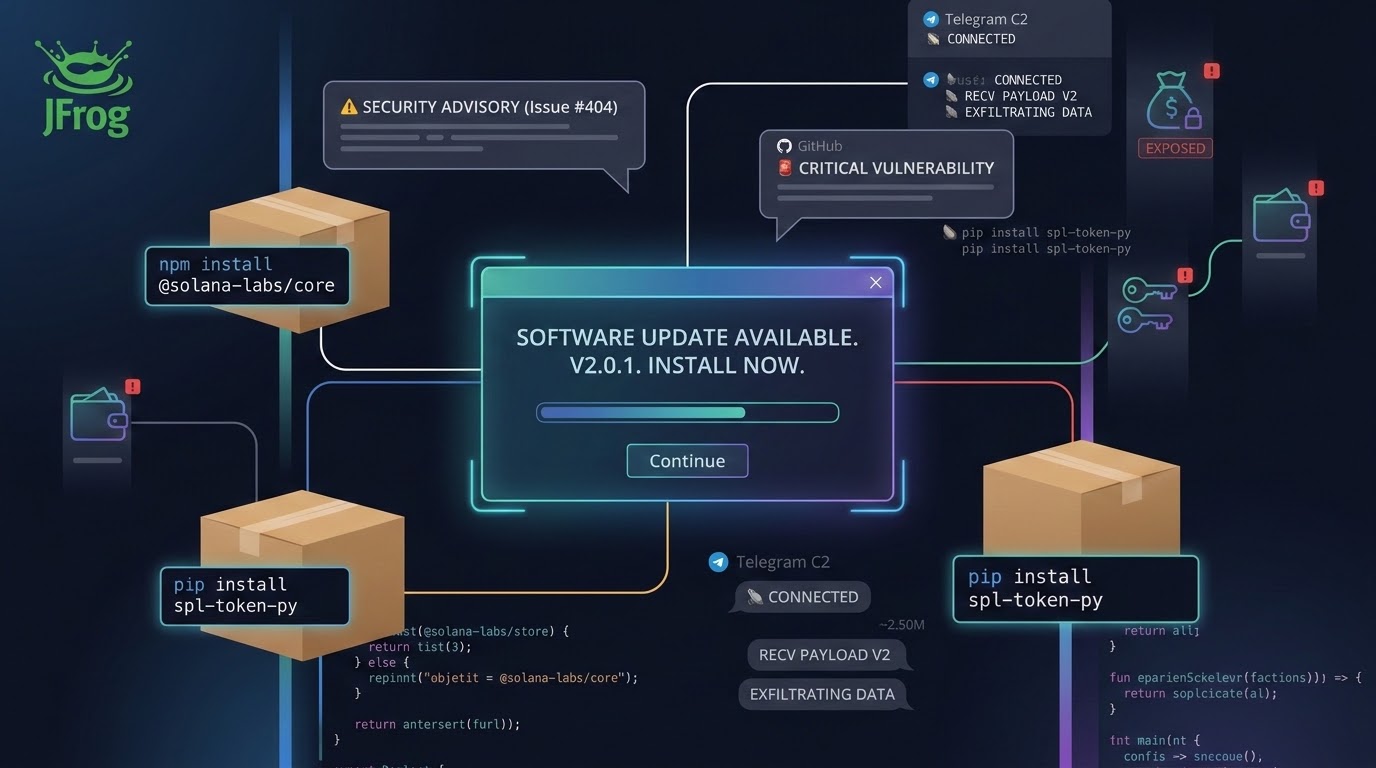
JFrog Security Research identified Solana FakeFix, a campaign of 24 malicious npm and PyPI packages that lured Solana developers with fake stable-build fixes while stealing wallets, developer tokens, and CI secrets.